 [**Spoilers**]
Upon watching the very fine trailer for American Fiction, one could be forgiven for concluding that the film is “only” a satirical look at modern racial and cultural norms about the “black experience” in America. Something like 1987’s excellent Hollywood Shuffle may come to mind.
While American Fiction resoundingly, unquestionably succeeds in that examination, what the trailer doesn’t reveal is how much more there is to this film beyond that aspect.
Instead, the film is also fundamentally about family and the dynamics of a wide variety of interpersonal relationships, with the character of writer Thelonious “Monk” Ellison, played by the superb Jeffrey Wright, serving as the hub.
Impressive from the opening scene, in which an entitled, progressive, white college student named Brittany takes Professor Ellison to task for writing the title of a particular Flannery O’Connor short story on the class whiteboard, the film certainly highlights Monk’s frustrations with the world around him to hilarious effect.
That introductory conversation sets the tone for what’s to come, as Monk explains (in vain) that any examination of Southern literature of that time must necessarily include language and ideas that many contemporary students may find heinous. After a bitingly funny exchange, Brittany leaves class and presumably complains, leading to a disciplinary hearing of sorts—with three white colleagues—that leads to an involuntary leave of absence.
This sequence tracks much of what we see in the rest of the film: self-anointed benevolent, “enlightened” white people (usually liberal white women) unwittingly and condescendingly dictating the boundaries of racial and cultural questions to Monk (and, later, to Issa Rae’s Sintara Golden).
Perhaps the sharpest example is a scene toward the end, in which fellow literary award judge Ailene Hoover (Jenn Harris), who has recently explained how important it is to “listen to black voices,” joins two other white judges in dismissing the objections of Monk and Sintara in naming the book Fuck as the award winner.
Fuck, of course, is the mockery of a novel that Monk secretly writes out of frustration with white elites and publishing houses that only seem to be interested in flat, stereotypical characterizations of black people. Monk’s anger sparks retaliatory creativity after witnessing the acclaim for Golden’s runaway bestseller We’s Lives in da Ghetto. This disdain leads him to write Fuck, originally titled My Pafology.
Even when Monk pushes boundaries to absurd lengths in an effort to sabotage the Fuck “monster” he’s created, his upping of the satirical ante only makes “woke” white literary and film executives more desirous of the story, tripping over one another to throw money at his alter ego, “Stagg R. Leigh.”
While all of the above is sublimely executed, none of it could be classified as “unexpected,” based on the trailer’s apparent central premise. What was unexpected—delightfully so—is American Fiction’s exploration of Monk, his family, and his relationships with them and others in his life.
Continue reading →

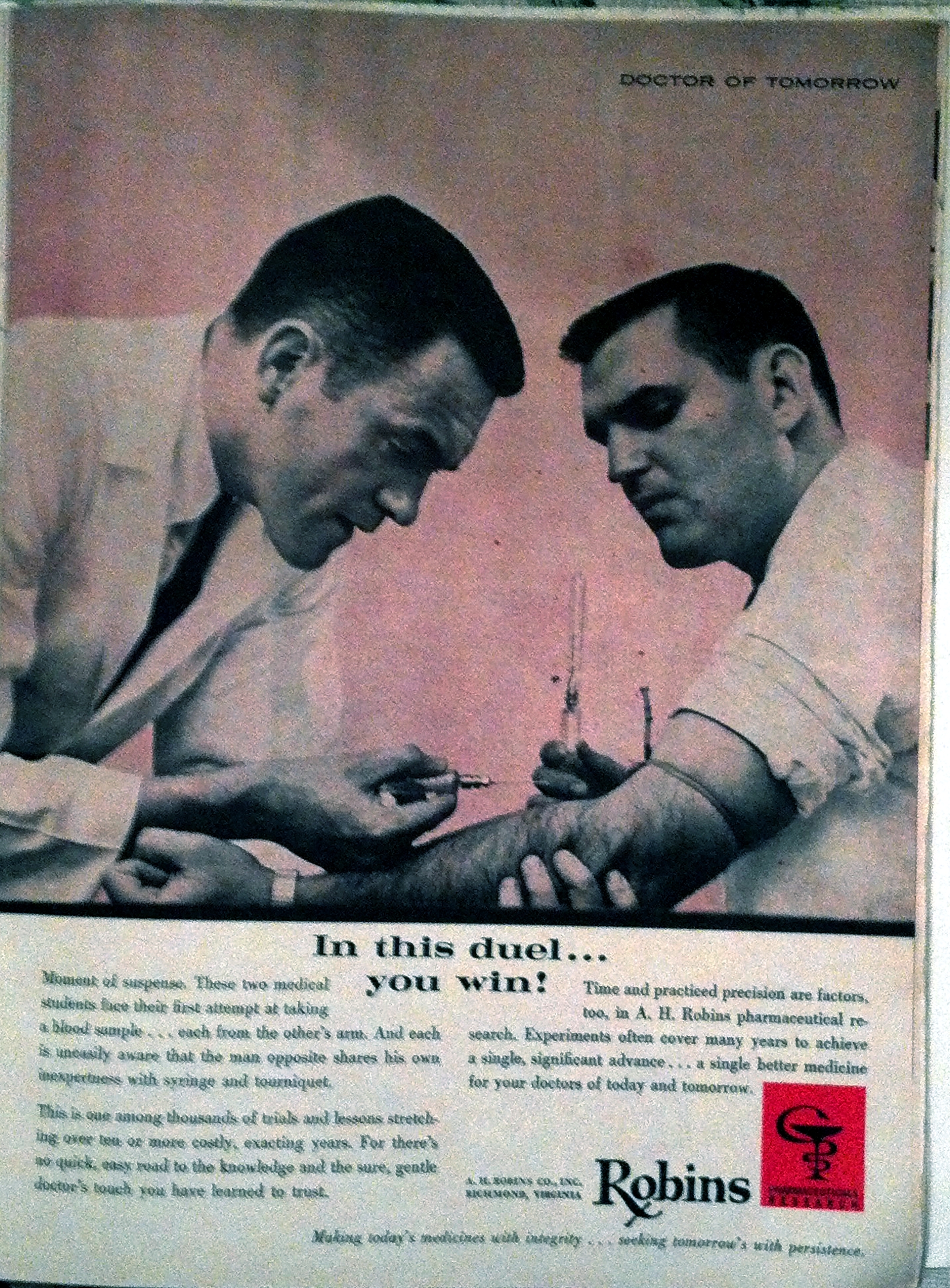


 Christopher Nolan is my favorite director. He is one of the few filmmakers whose name alone is enough to get me to the theater. In fact, he may be the only one.
 *SPOILERS AHEAD*
 It has taken me eight-and-a-half years, but the cinematic odyssey that began in early 2014 has come to a close.
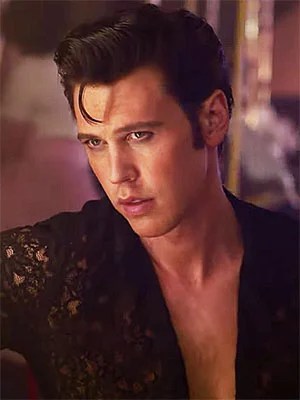 *SPOILERS AHEAD*
 Imagine someone comes to you and says, “I just ate the best hot dog I’ve ever had.”
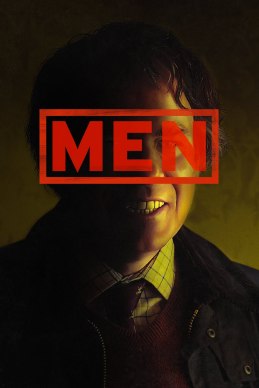 First, the good part: The first two-thirds or so of Men is a fantastic slow burn, up to and including a near-real-time tour of the English country house that the main character, Harper Marlowe (Jessie Buckley), will be occupying for two weeks. In the early portion of the film, the only harrowing portions are those that relate to flashbacks of the events around Harper’s abusive husband James’ (Paapa Essiedu) suicide—a trauma that weighs on Harper and will ultimately be the focal point of the film.


 The Axis of Ego
The Hitler – Trump Hypothetical, Revisited
It wasn’t because I believed that the 2020 election was “stolen” (I don’t), or because I supported President Trump’s fiery, sometimes conspiratorial rhetoric (again, I don’t). But what struck me was the claim by Trump’s critics that the suggestion of election improprieties was simply absurd and insulting. I said the following at the time, discussing the classic ethical question of whether it is just to murder baby Hitler:
Emphasis added. At the time, I was quite certain that continuing to equate Trump with a person widely recognized as the worst of the past century (if not in history) would result in more and more rationalization about what is ethically, morally, and politically acceptable to stop him. Later in the piece, I added:
The obvious problem is that this relentlessness requires ever-escalating warnings, fearmongering, and, ultimately, tactics. Our own American media and many politicians have demonstrated little reluctance to call Trump “Hitler” for the past eight years—and continue to do so.
Now, we’re here. And I’m not sure what it will take to pull us back from the edge of the abyss before we fall in.
Share this: